
Today’s Webworm also exists in audio form if you prefer to listen along:
Hi,
The first documentary to have a huge impact on me was Paradise Lost. I think I illegally downloaded it in the early 2000s, although it had come out back in 1996.
It told the story of the “West Memphis 3”, three teenagers sentenced to death row for the “satanic killings” of three young kids in 1993. Except of course they’d never worshipped satan or killed any kids, instead sentenced to death because they were the only outsider metal-loving kids in a small, God-fearing American town.
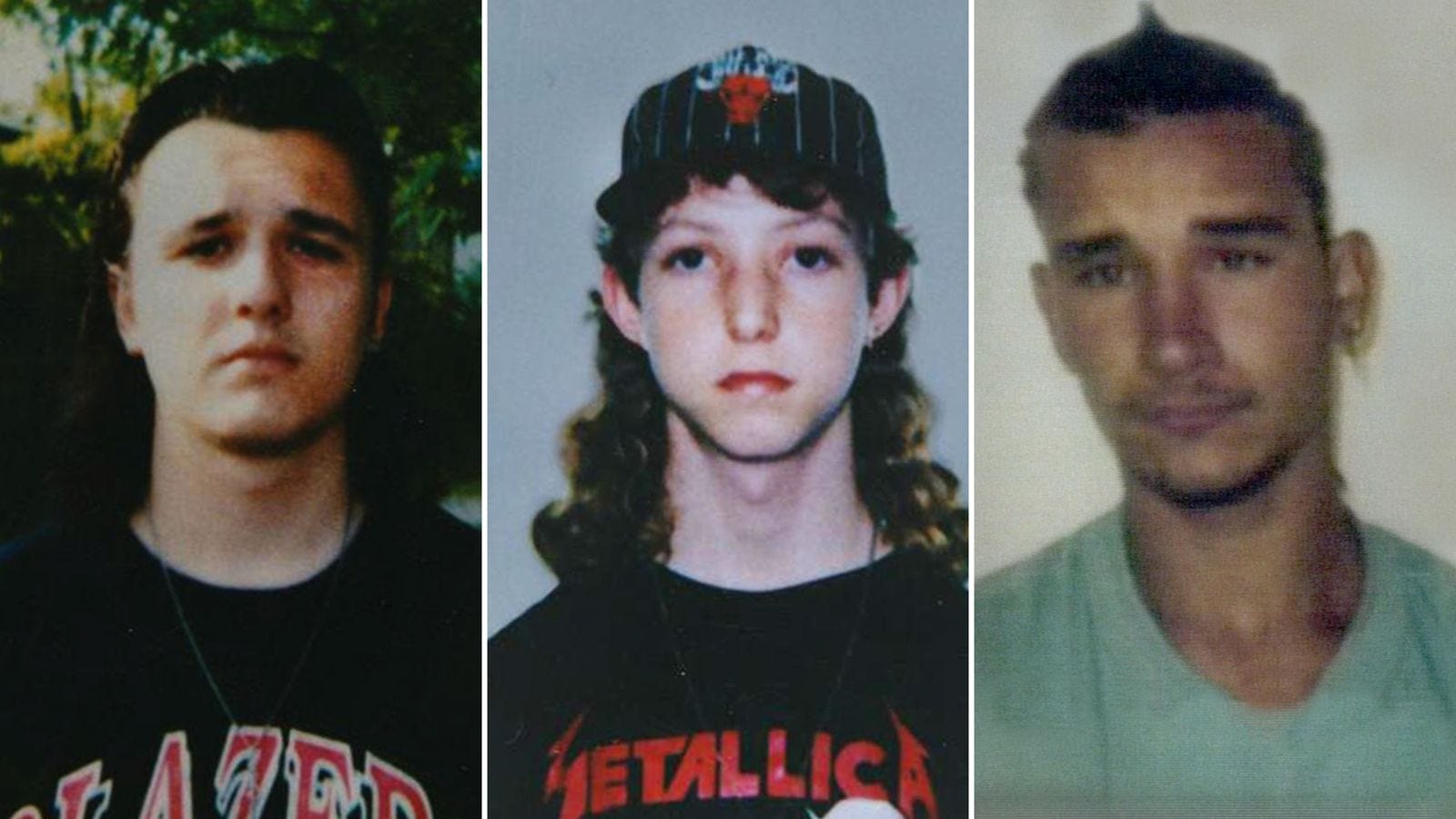
The documentary was unlike anything I’d ever seen before. This was before Netflix and Amazon; before true crime podcasts and “true crime” as a genre at all. But this film engrossingly laid out the case and demonstrated where prosecutors and the justice system had fucked up. This film taught me that documentaries weren’t just some stale form — documentaries were films. They had emotion, structure, texture and scores. Heck, Metallica gave their music to Paradise Lost. To teenage me, it hit hard.
Two sequels followed in 2000 and 2011 — the latter having the most cathartic ending imaginable. I get goosebumps just typing this: After 18 years and 78 days awaiting the electric chair, the three accused boys, now men, walk free.
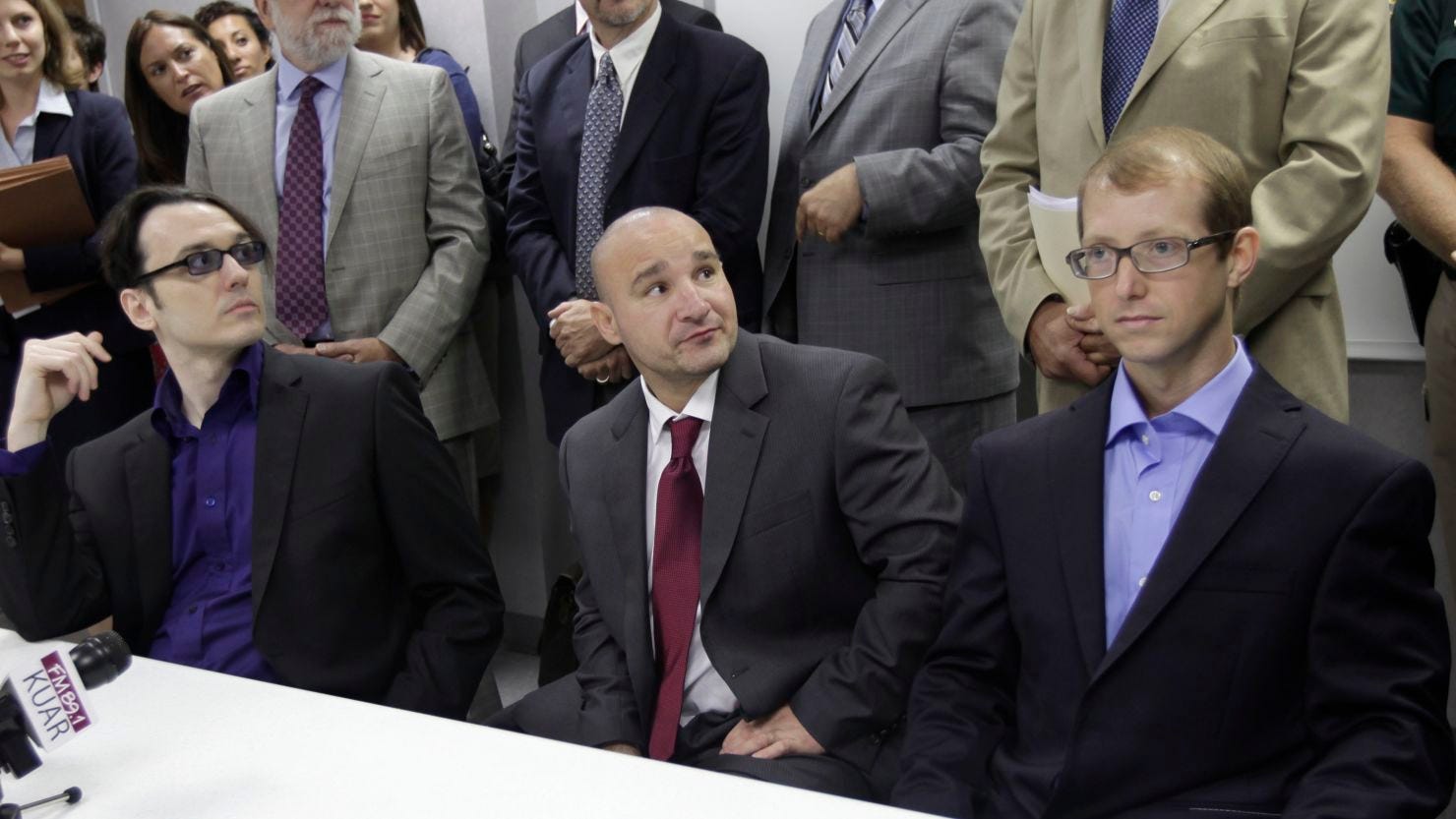
The man who made those three films, Joe Berlinger, has now gotten a total of six people off death row, tirelessly using the form of documentary to advocate for a variety of people and issues that would otherwise be sidelined.
He’s a hero of mine — going on to make my favourite music documentary, Metallica: Some Kind of Monster (you don’t need to be a Metallica fan), and a host of what would now be deemed “true crime” series and films. He bristles at that label, as each of his films has a level of advocacy and purpose. Still, he’s been called a “true crime hit factory” and “the gold standard in true crime.”
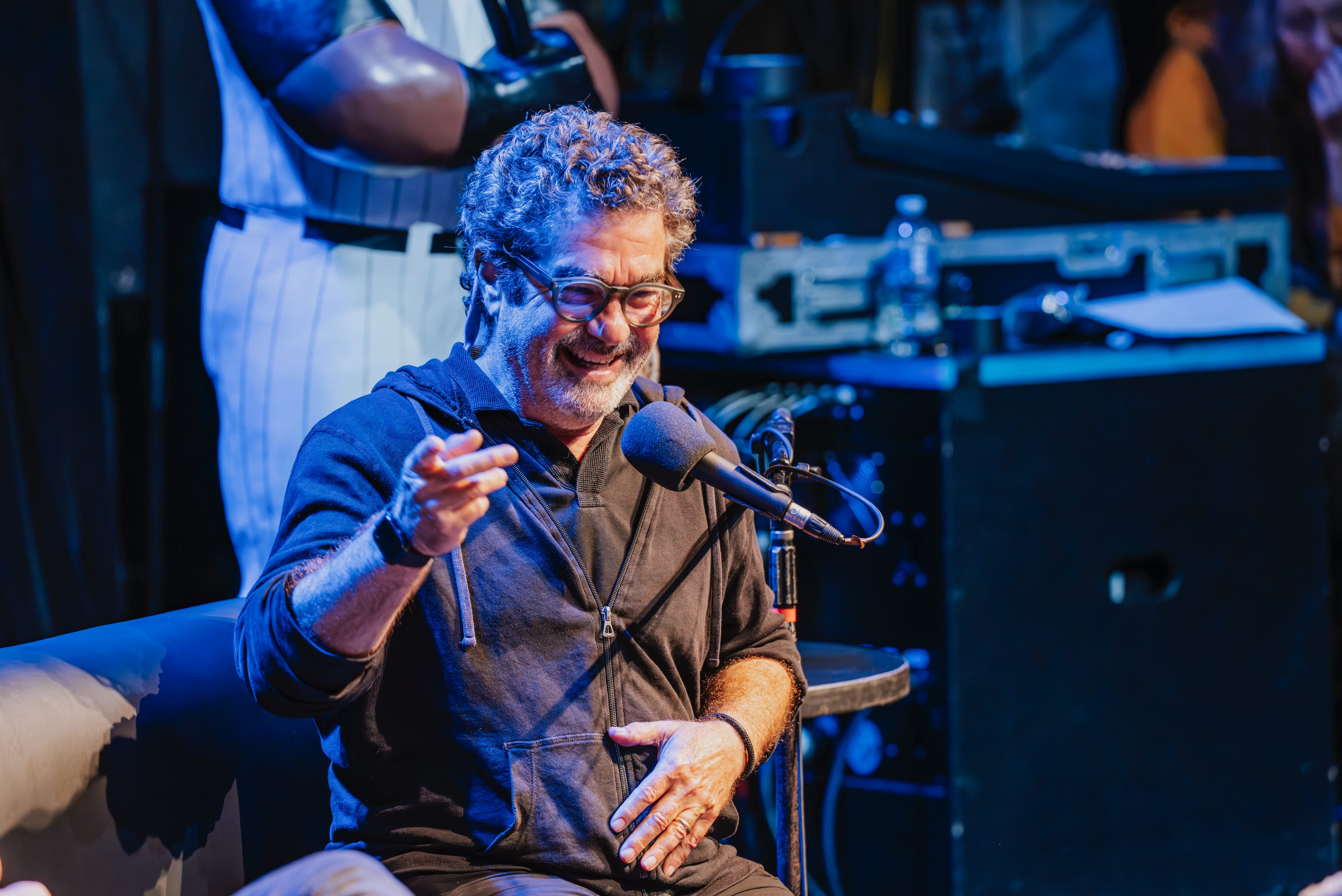
And last week, I got to meet him — my rambling above explaining why I am grinning so much:
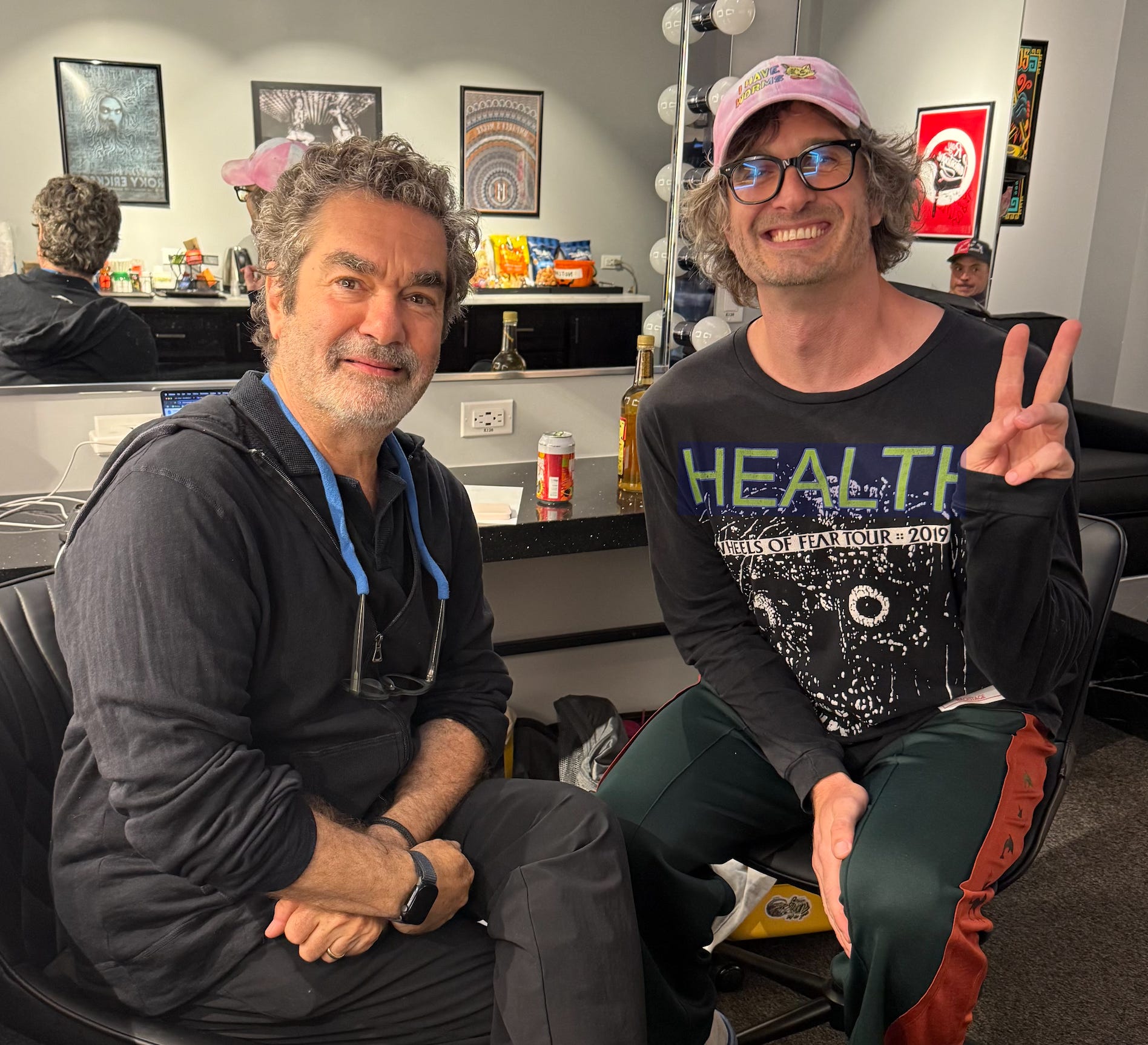
On a whim, I’d reached out to him through a mutual friend to be a live guest on the podcast I make, Flightless Bird.
The show was in Chicago, and I’d noticed the latest series he’d executive produced was about the Tylenol Murders — a series of deaths that took place in 1982 when some maniac in Chicago laced a bunch of Tylenol bottles with cyanide (this is why medications are now very hard to open and tamper with).
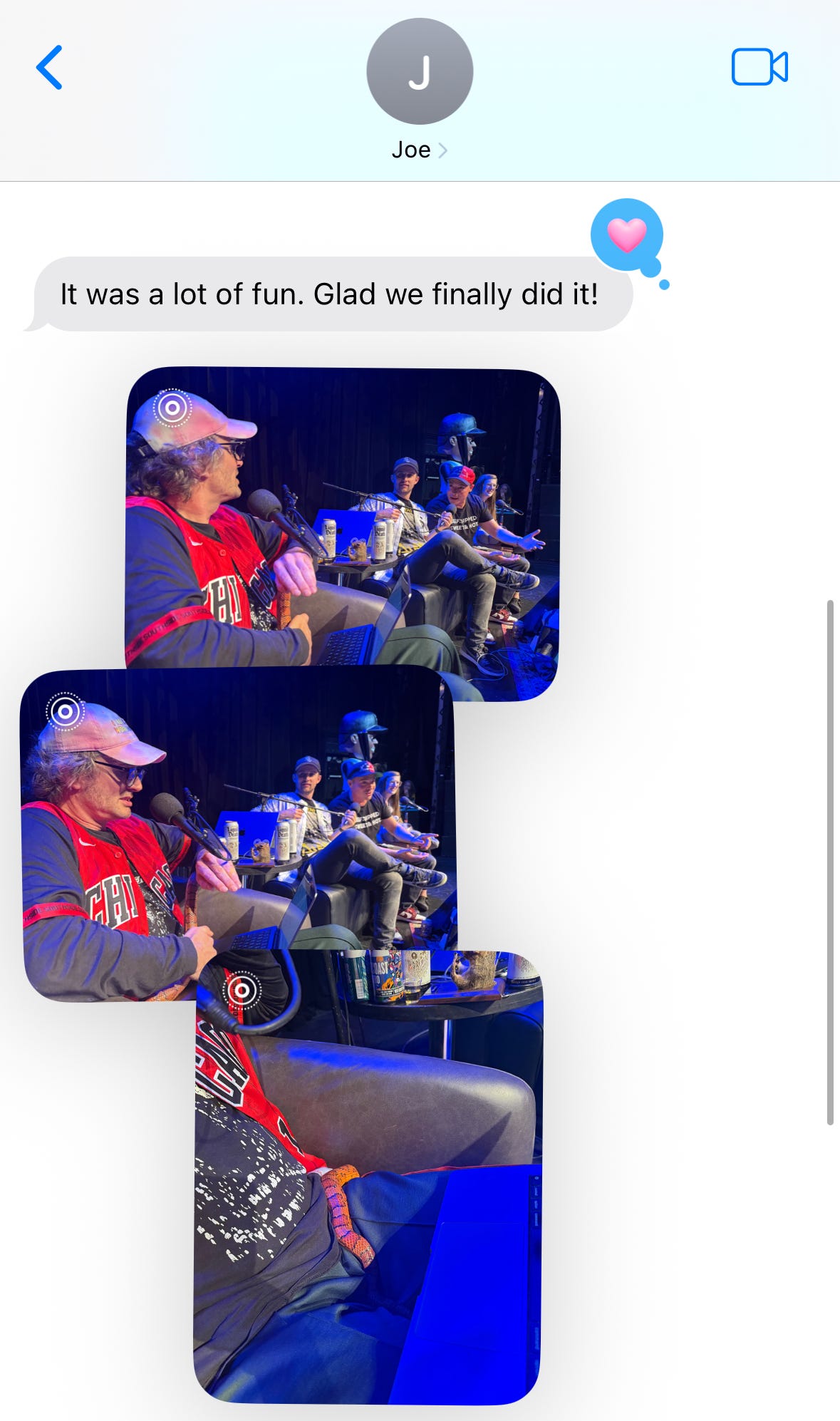
Joe blew my mind by saying “yes”, flying in from New York just to do the show. Here are a bunch of photos from said show — I think he had fun.
But the whole time I had this other thing running through my head.
Back in 2016, I released a documentary series called Dark Tourist for Netflix. I made it with my friends — Dom Fryer shot a lot of it, who was also my DP on Tickled and Mister Organ. Some bits of that series I love and some bits I hate, only seeing the things I would change. It did pretty well, but not well enough for Netflix to renew it.
I remember sitting down for a beer with the commissioner at Netflix who told me the reason that they weren’t bringing it back was because they weren’t doing any more “travel shows”. A little bit later Netflix released a travel show starring Zac Efron. He’s handsome, I get it.
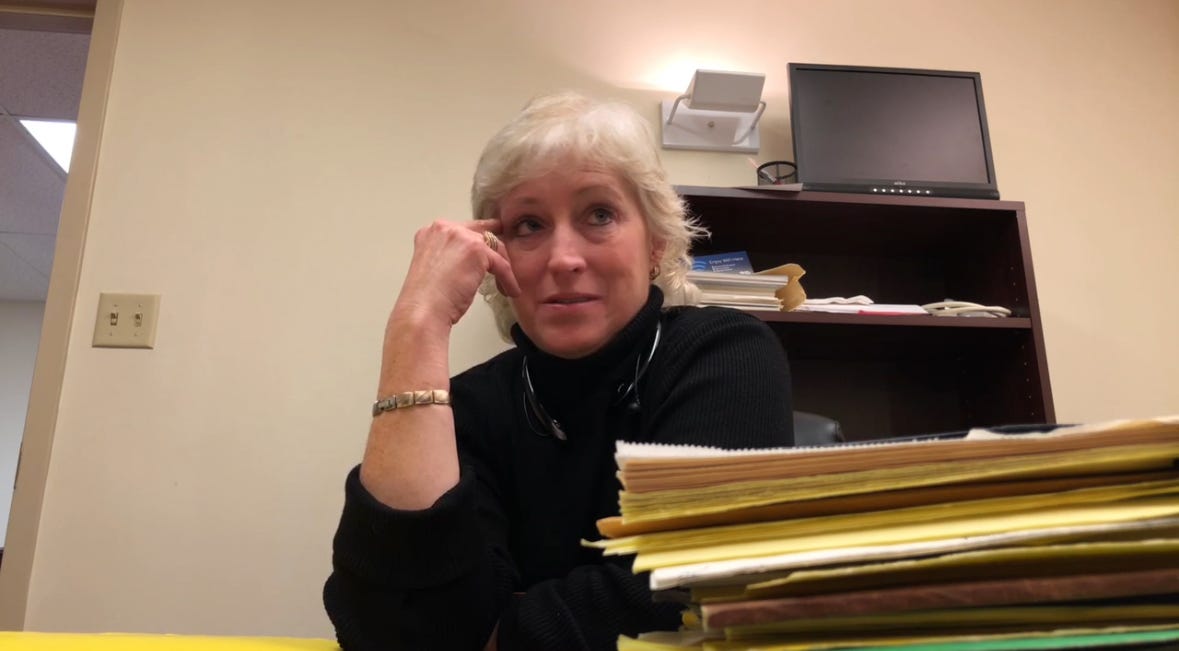
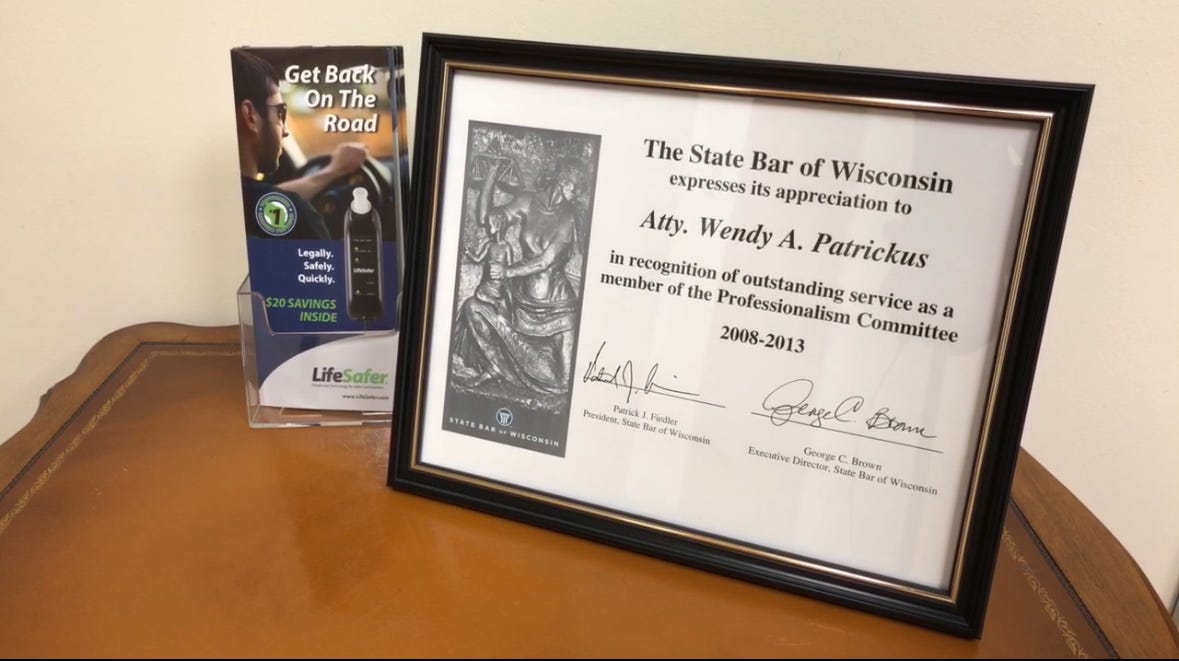
In one of those Dark Tourist episodes, we focussed on tourism around serial killers — arriving in Milwaukee to go on a walking tour of where Jeffrey Dahmer found his victims. We also interviewed Wendy Patrickus, who fresh out of law school ended up being co-defence in Dahmer’s trial.
I really hit it off with Wendy.
She loved cats and was an absolute hoot, taking us out to some of her favourite dive bars in Milwaukee. And the whole time I kept thinking what an incredible story: straight out of law school you get the biggest, craziest case of your career. It’s like the astronauts you hear about who go to the moon and come back depressed, knowing they’ll never reach those same heights. Wendy wasn’t depressed, but she’d been to the true crime moon.
While shooting, we learnt that she’d been tasked with interviewing Dahmer at the time — the killer going through the details of his early life, before walking Wendy through all the grisly details of what he’d done. She went and rummaged around in her office, and brought out a box of tapes. They were her unaired interviews with Jeffrey Dahmer.
She played us a snippet. We recorded me listening, and we included about 10 seconds in the episode.
Dark Tourist came out on Netflix. I felt mostly proud. Netflix cancelled it. Life went on.
A year or so later, I woke up at 2am with my brain on blast.
Wendy had a box of never-heard before tapes of one of the world’s most famous serial killers confessing to everything.
I could see the whole thing in my head: A documentary film that was primarily about Wendy — this larger than life, hilarious, strong woman with her own set of demons, who somehow out of law school had landed the case of her life. She helped defend (and sort of befriend?) Dahmer in a town she’s never left, and in a way she’s still coming to terms with it all.
From what I could tell, she and Dahmer got on. At the time she had a bunch of shit going on in her own life, and Dahmer was the least of it all. To her, he was safe.
I had my next film. I knew it.
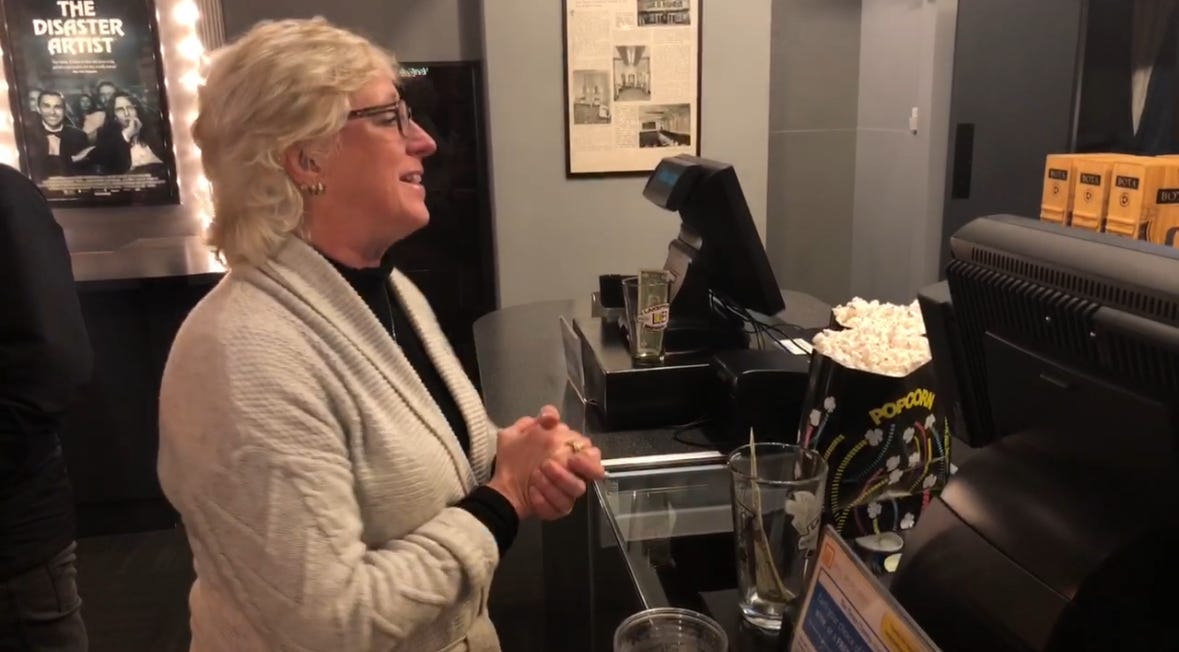
Over the next year, I went and visited Wendy in Milwaukee a few times. We went to the movies to see another film about Dahmer that had just come out called My Friend Dahmer, based on an incredible graphic novel. We drank local Milwaukee beers. We walked and talked.
Things felt like they had momentum.
I told her about my ideas for a film, and we got into that thing you do with a subject as you figure it out: Conversations, texts, emails. Sussing each other out.
The tapes were another complicated aspect, riddled with issues around who owned them, and lawyer-(now dead) client confidentiality.
Months and months went by, then a year. Things were further complicated by the fact I didn’t live in Milwaukee, or even America. I lived in New Zealand. I didn’t have a production company ready to go, or funding, and I was distracted with what would turn into Mister Organ.
I get laser-focussed on ideas and I am like a bulldog, but I also get discouraged and am riddled with self-doubt, and sometimes things (ideas, people, passions) come in and out of focus.
To cut a long story short, I didn’t get to realise my vision with Wendy. I couldn’t make it happen, and eventually I had to walk away from the idea.
Now here I was sitting in a backstage room with Joe Berlinger, a hero. And somehow I hadn’t realised until the past few weeks what had happened.
Back in 2022, Netflix had released Joe’s new documentary series: Conversations with a Killer: The Jeffrey Dahmer Tapes.
That series was based on the tapes I had tried to get back in 2017. I mean, I’d gotten 10 seconds of them in 2016 with Dark Tourist, but I’d wanted the whole lot. His series features Wendy Patrickus, who I’d hung out with, texted, and emailed so many times.
The Jeffrey Dahmer Tapes was a huge hit, executed perfectly by Joe Berlinger. I say this with honesty: he was the best person to have made this thing and I’m glad he did.
It was such a hit, it spawned a series, The Ted Bundy Tapes and The Son of Sam Tapes, which just came out.
And here was Joe, sitting in front of me. The old me, a younger me, would have made small talk about other things — maybe trying to impress him somehow. But I just decided to tell him my realisation: That where I had failed miserably, he’d succeeded. This is a photo of me raving on about all this, the photo taken by his wife Loren Eiferman, an incredible artist in her own right.
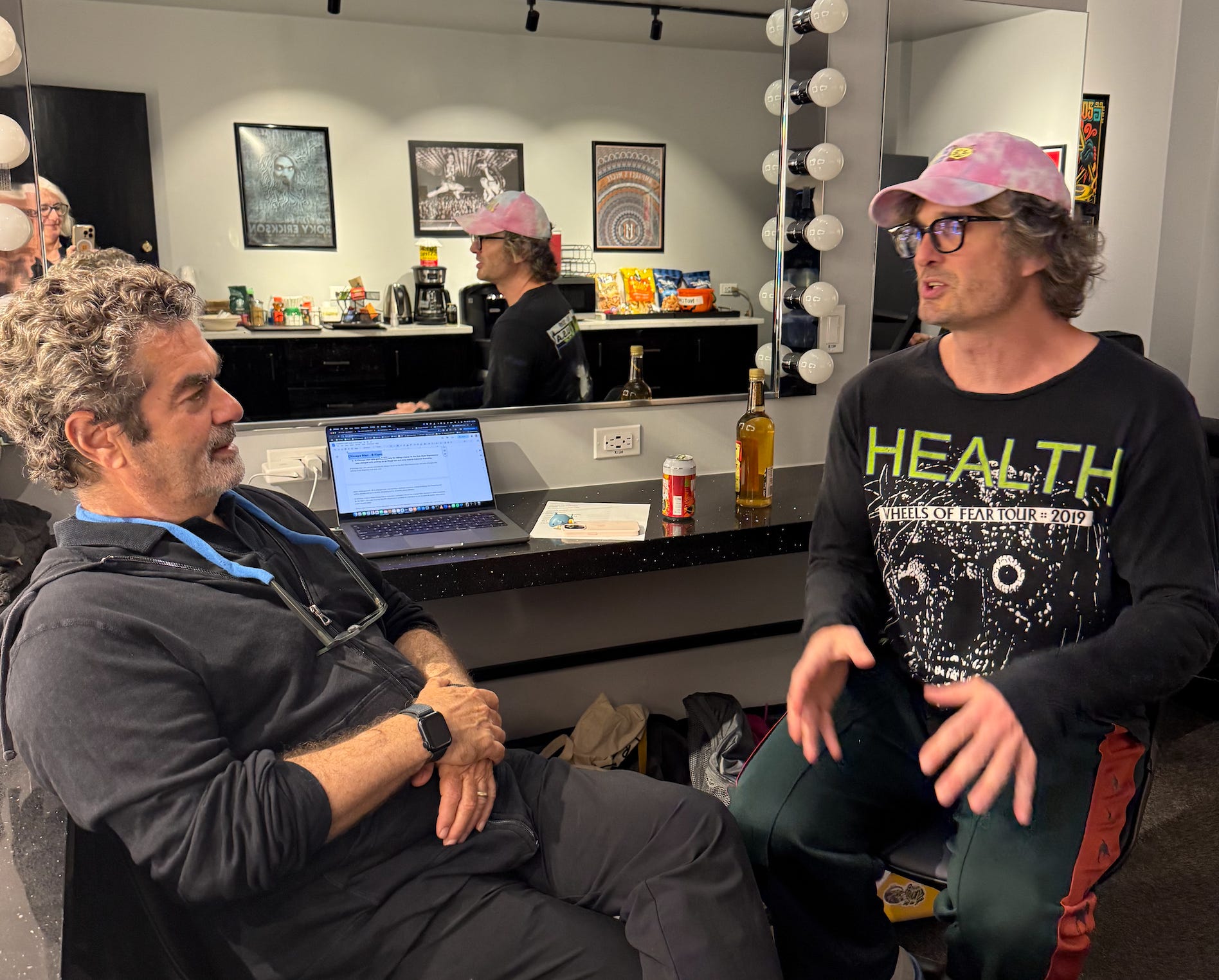
Joe listened, including the bit where I started laughing as I clocked that he’d also directed a drama based on The Ted Bundy Tapes, choosing to cast Zac Efron as the lead. You know, the same Zac who’d made a travel show for Netflix after they’d canned Dark Tourist because “no more travel shows.”
He listened, and we laughed, and he shared his own experiences and challenges making his series. I realised my film would have been very different to his series, I think — focussed more on Wendy than Dahmer. But at the end of the day, it was about who got those tapes. He did, and I didn’t. And somehow, it was one of the most cathartic, fun, honest conversations I’ve ever had with someone I’ve just met.
We did the live podcast, and at some point I had a snake on my lap (long story), and I saw Joe taking some photos next to me. He was documenting, as he always does.
He texted me the next day, and I felt a rare sense of closure about the whole thing.
Somehow, it had all worked out. I think stories always find a way to get told, and it’s really up to the story what vessel it chooses.
David.